
Parent Trust bases program outcome measures on the best available research and evidence. Each of our research-based programs have specific benchmarks for success and related achievement rates.
Investing Time
Parent Trust for Washington Children has invested over 300 staff hours consulting with leading evaluators and researchers to provide accurate and thorough program outcome measures.
We measure all our programs for their efficacy in providing new skills and knowledge to create stronger families, ensure family bonding, creating healthy early brain development in children, enhancing early learning and preventing child abuse and neglect.
Investing Resources
Parent Trust for Washington Children’s ongoing Outcomes Evaluations utilize surveys filled out periodically by program participants.
These surveys measure critical Protective Factors that research has shown decreases the risk of maltreatment and dysfunction in the home:
- Increase of social support networks for the family
- Increase in applied family management skills and knowledge of normal child development
- Increase in life management skills
Expectant and New Parent Services
Proven to increase skills and knowledge
N=875
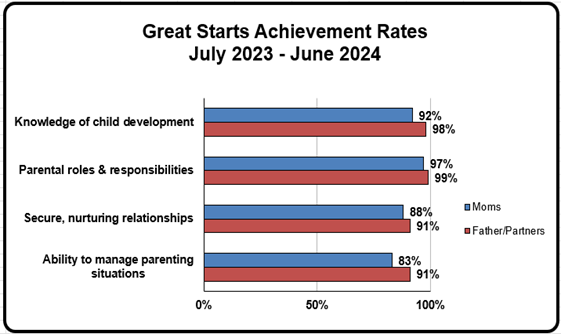
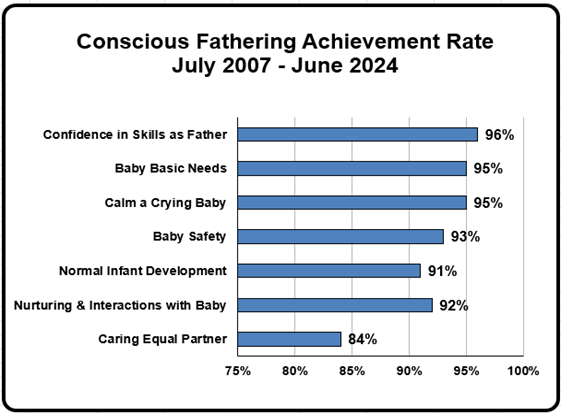
Proven to increase skills/knowledge
N=8146
Parent Education and Support Programs
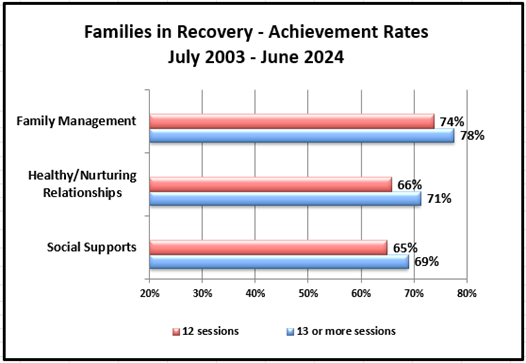
Proven to increase social support and family management skills.
N=1593
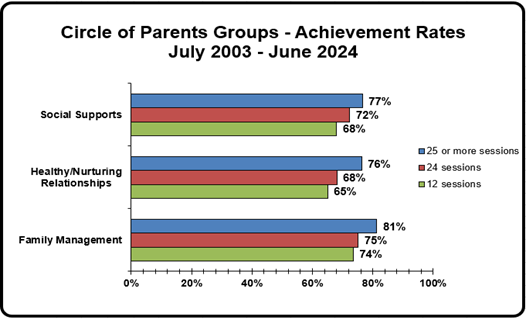
Proven to increase social support and family management skills.
N=2955
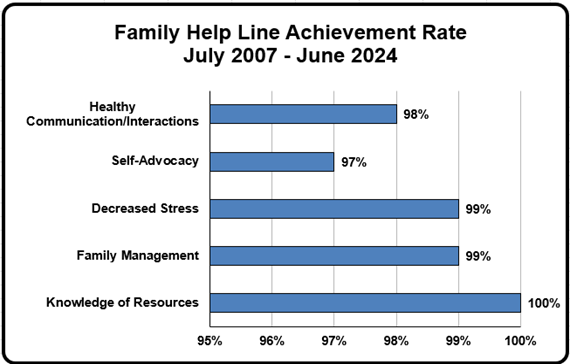
Telephone Support And Resources
Proven to decrease callers’ stress and increase parenting skills and knowledge.
N=1294
Child & Teen Services
Shown to increase teens’ knowledge of stress and techniques to manage stress.
N=164
